UCAB Proposals for the EU Urgent Flanking Support Measures to Help Ukrainian Agricultural Exports
Category:
 News
News
Key signals:
- Losses to the Ukrainian agricultural sector from the de facto blockade of ports will amount to over €1.1 billion in the form of additional logistics costs (an average transport cost premium of €41 per ton), putting approximately €7 billion in export revenues at risk in the 2026/27 marketing year.
- In the medium and long term, Ukrainian farmers will be forced to reduce production due to the economic unviability of exports, product accumulation in storage, and severe liquidity shortages. Consequently, Ukrainian products will lose their competitiveness on traditional markets, giving way to other exporters, primarily Russia.
To prevent this scenario, the European Union should support the Ukrainian agricultural sector in the following ways:
- Speed up the implementation of the “flanking measures” proposed by the European Commission by introducing a Transit Support Mechanism for Ukrainian agri-food products across the territory of EU Member States.
- Finance transport services (compensate for additional logistics costs) from the Ukrainian border to European deep-sea ports and other export hubs.
- Direct these funds as a strategic investment in European logistics: compensating over €1.1 billion will mean guaranteed demand for EU businesses (approximately €590 million for rail operators, €240 million for port operators, and €270 million for logistics companies and freight forwarders). Overall, this will generate more than €1.5 billion in total economic activity across the EU transport and logistics sector and secure an estimated €300–400 million in additional tax revenues to Member States’ budgets.
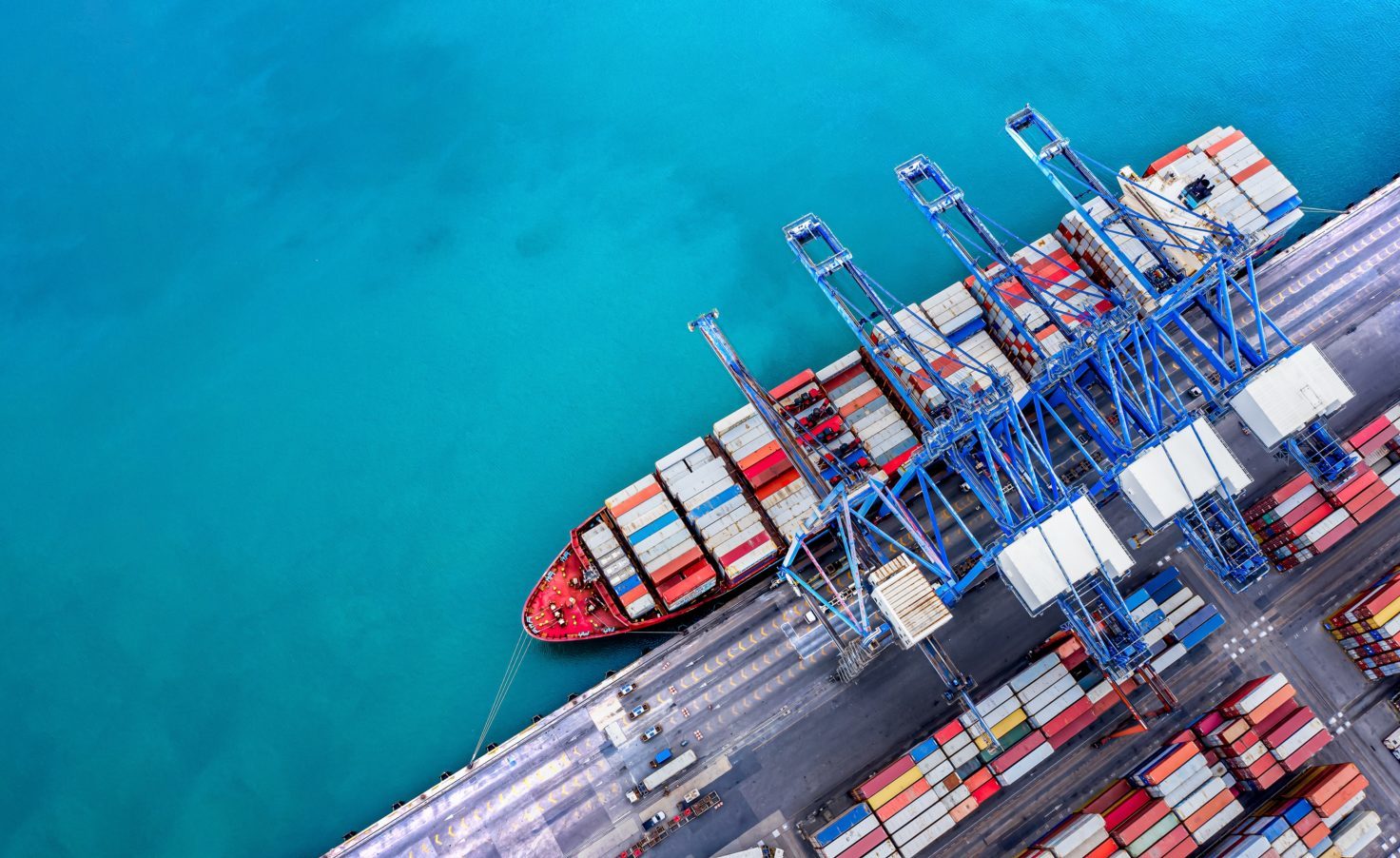
Ukrainian Agribusiness Club is extremely concerned about the consequences of the de facto blockade of Ukrainian deep-sea ports in effect since late July 2026 due to targeted Russian drone and missile attacks on commercial shipping. It significantly complicated the export of Ukrainian agri-food products and threatened the financial stability of the agricultural sector.
In 2026, Ukraine expects to harvest more than 80 million tons (mln t) of agricultural products, while the total agri-food export potential for the 2026/27 marketing year (MY) is estimated at approximately 64.4 mln t. Prior to the blockade, deep-sea ports handled about 90% of Ukrainian agricultural exports, a significant portion of which was traditionally supplied to markets in the Middle East, Africa, and Asia. Today, almost 30 mln t of export flows will have to be redirected to alternative routes through the territory of neighboring EU Member States.
According to UCAB estimates, even under the most optimistic scenario of utilizing road, rail, and Danube corridors through Poland, Romania, Moldova, Slovakia, and Hungary, existing alternative routes are expected to accommodate transit for only around 27 mln t of agri-food products. This redirection will lead to an additional logistics burden exceeding €1.1 billion, which corresponds to an average transport cost premium of approximately €41 per ton.
At the same time, the additional transport costs are deducted directly from the purchase price paid to the Ukrainian producer. For grain and oilseeds, an additional €40/t significantly affects the economic viability of exports. As a result, Ukrainian products lose their competitiveness on traditional third-country markets compared to products from other exporters, particularly Russia, which continues to export through conventional maritime routes without an equivalent logistical burden.
Without additional support mechanisms, there is a high risk that even the existing alternative transit capacity will not be fully used as it will be economically unviable to export. This will result in product accumulation in storage, liquidity shortages, a reduction of future agricultural production, and a loss of a share of the agricultural sector’s foreign exchange earnings. According to calculations, export revenues of approximately €7 billion are at risk in the 2026/27 marketing year.
UCAB urges European institutions and partners to speed up practical preparation and implementation of the “flanking measures” package, proposed by the European Commission during negotiations to review and update the terms of trade under the EU-Ukraine Association Agreement. Such mechanisms can become the most effective tool to support not only the Ukrainian agricultural sector but also the overall economic stability of Ukraine, while simultaneously strengthening the transport and logistics ecosystem of the European Union and ensuring global food security.
According to UCAB experts, one of the first practical elements of these flanking measures should be a Transit Support Mechanism for Ukrainian agri-food products across the territory of EU Member States through the financing of transport services from the Ukrainian border to European deep-sea ports and other export hubs, through which products are supplied to traditional third-country markets.
Such a mechanism should be viewed not so much as a financial assistance program for Ukraine, but as a strategic investment in the European Union’s own transport and logistics ecosystem. Compensating for more than €1.1 billion in additional logistics costs would effectively generate an equivalent volume of demand for the European transport and logistics sector. Approximately €590 million would be directed to European rail operators, more than €240 million to port operators and transshipment terminals, around €135 million to logistics companies and freight forwarders, and a further €135 million to other participants in the transport chain. Based on UCAB’s assessment, this volume of financing could generate more than €1.5 billion in total economic activity across the EU transport and logistics sector and secure an estimated €300–400 million in additional tax revenues to Member States’ budgets.
By introducing such a mechanism, the EU would not only support Ukrainian exports but would also effectively invest in its own transport and logistics infrastructure, creating additional demand for the services of European carriers, ports, and logistics operators. At the same time, this would help preserve the competitiveness of Ukrainian agri-food products, support Ukraine’s economy, and ensure a stable supply of food to traditional global markets.