Ukrainian Soybean Growers Call on the EU to Prevent the Introduction of High ILUC-Risk Status for Soybeans
Category:
 News
News
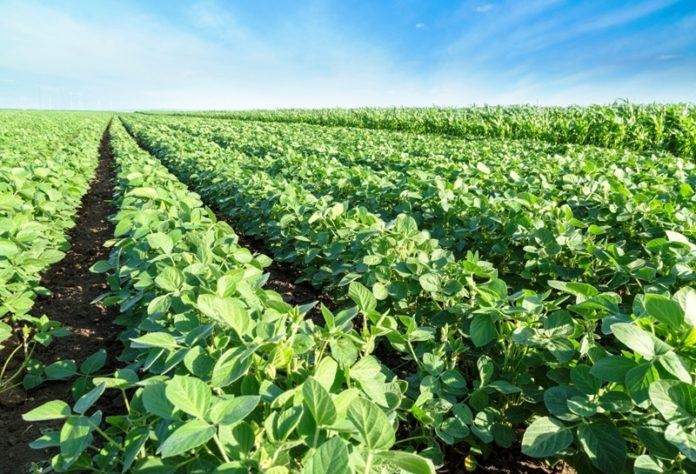
The Ukrainian soybean producers are deeply concerned about the European Commission proposal to classify soybeans as a high indirect land-use change (high ILUC-risk) feedstock under the framework of the EU Renewable Energy Directive (RED). Such a proposal, if entered into force, will have profound negative impact on Ukraine’s agricultural sector, the European plant protein market, and the EU’s broader strategic food security.
These concerns and the broader argumentation are made public by the Ukrainian Agribusiness Club (UCAB) position paper from May 29 to the EU institutions. UCAB argues that the draft delegated act amending Regulation (EU) 2019/807 will introduce additional low-ILUC certification requirements, effectively imposing substantial administrative and financial burdens for producers and processors, particularly amid wartime challenges, logistical disruptions, and rising production costs.
According to UCAB, “Ukrainian soybeans already meet high standards of traceability and sustainability. Ukraine has officially been recognized as a low-risk country under the EU Deforestation Regulation (EUDR), therefore imposing an additional high ILUC-risk classification would effectively duplicate regulatory requirements and create unjustified barriers for Ukrainian agricultural producers”.
Ukraine remains the largest soybean producer in Europe. In 2025, Ukrainian soybean production is expected to reach 5.6–5.7 million tonnes, while Ukrainian soya products continue to play an important role in ensuring the European Union’s protein and food security. In 2025, Ukraine’s share in EU soybean oil imports increased to 66%, while 43% of Ukrainian soybean oil exports were directed to the EU market.
UCAB stresses that Ukrainian soybeans are not only an important component of the European plant protein market, but also a strategic alternative to imports from regions associated with elevated environmental risks. Ukrainian soy products are non-GMO, fully traceable, and produced without deforestation-related concerns.
At the same time, the proposed approach seems to be at odds with several key strategic objectives of the European Union, including:
- strengthening the EU’s food and protein autonomy;
- the upcoming EU Protein Plan;
- support for regional plant protein production;
- the objective of simplifying and harmonizing regulatory procedures.
The Ukrainian agricultural sector calls on the European Parliament and the EU Council not to support the draft delegated act in its current form within the official scrutiny period.
As an acceding candidate country Ukraine should be treated as a European soya supplier in any forthcoming EU regulatory initiatives related to the status of soya vegetable oil as a feedstock for sustainable bio-fuels under the EU Renewable Energy Directive.
For further questions, please contact Nazar Bobitski, UCAB EU Office Director
Email: bobitski@ucab.ua, Mob. +380.67.172.03.64 (WhatsApp), +32.490.16.64.49