Toward the EU Carbon-Neutral Economy: The Potential of a Combined EU/Ukrainian Agricultural Powerhouse
Category:
 News
News
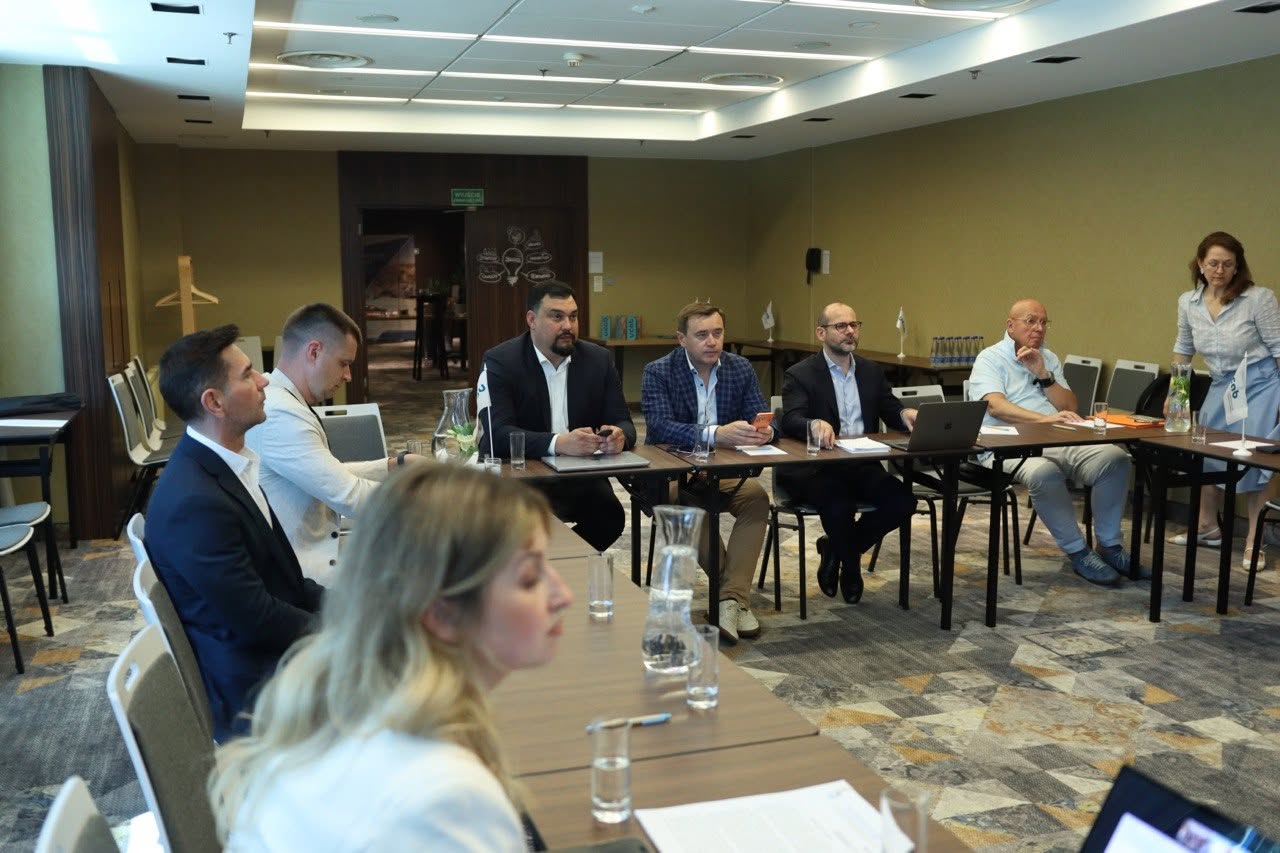
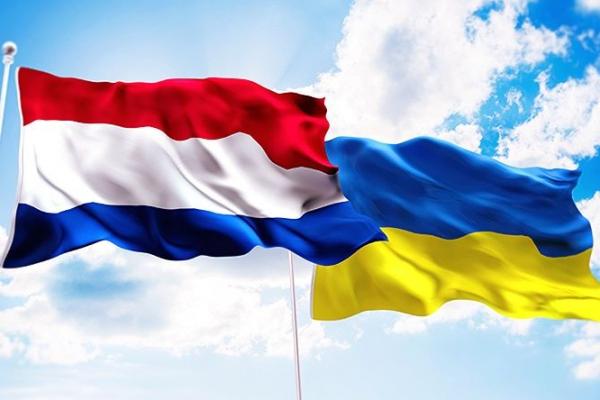
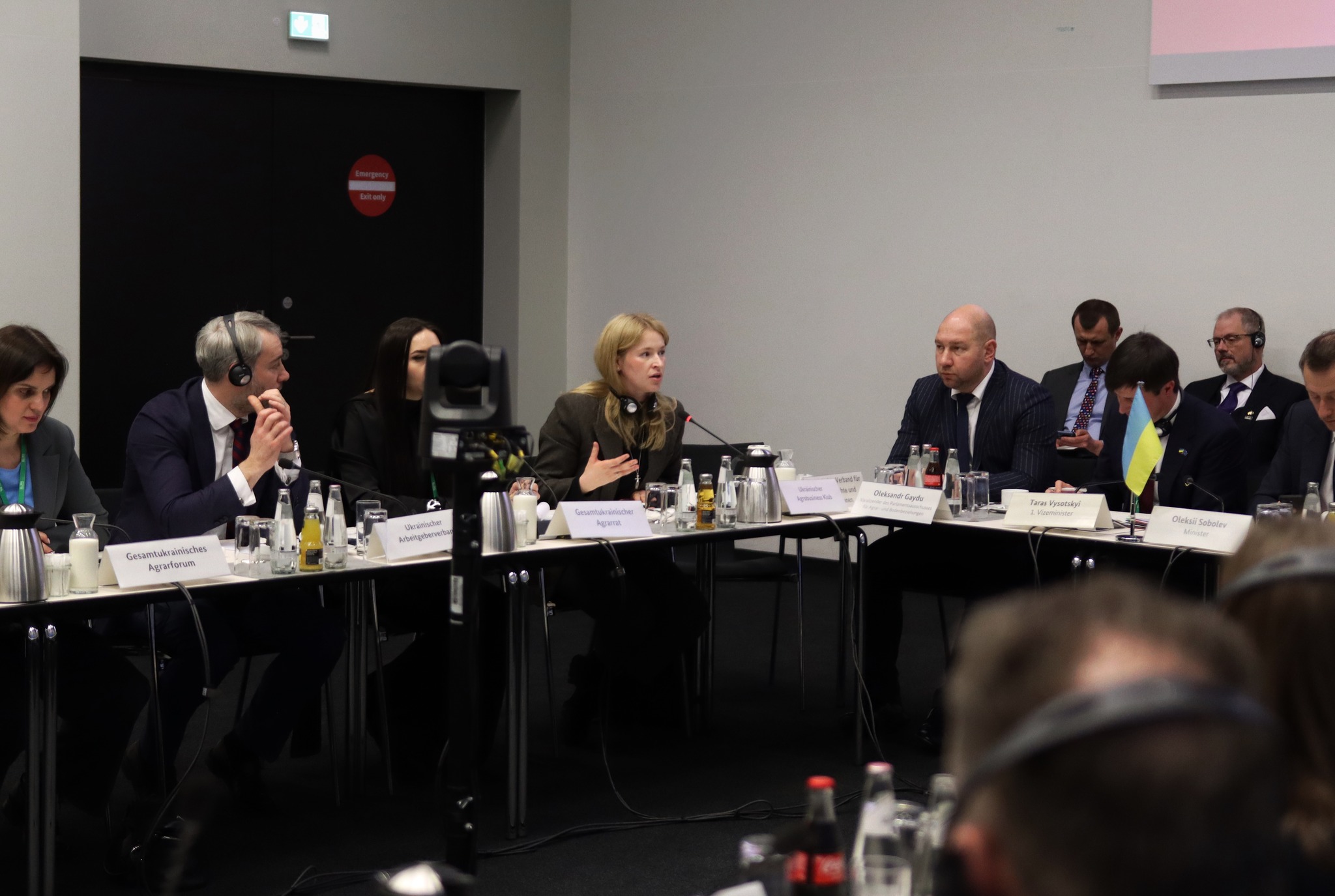
On June 24 in Gdansk, UCAB, together with the Farm Europe association, held a joint workshop “Toward the EU Carbon-Neutral Economy: The Potential of a Combined EU/Ukrainian Agricultural Powerhouse“. During the event, moderated by Nazar Bobitski, Director of the UCAB EU Office, leading experts discussed how the joint agricultural system of the EU and Ukraine within the framework of the bioeconomy can help the European Union achieve climate neutrality and strengthen energy and food security.
Among the key thematic focus areas of the discussion were the prospects for the development of the bioeconomy as one of the tools for EU decarbonization, Ukraine’s role in meeting European demand for biomass and bioenergy, necessary regulatory changes to unleash the agricultural sector’s potential, as well as investment and policy mechanisms capable of strengthening cooperation between Ukraine and the EU.
During the opening of the workshop, Dacian Ciolos, Former Prime Minister of Romania, Special advisor at Farm Europe, and former EU Commissioner for Agriculture, emphasized that the key question today is no longer whether Ukraine will become an EU member, but rather how to prepare for this integration in a way that strengthens both Ukraine and the European Union. According to him, Ukraine’s agricultural potential should be viewed as a strategic asset for enhancing food security, developing the bioeconomy, and achieving EU climate goals, while future integration must be based on open dialogue, pragmatism, and the search for win-win solutions.
“Ukraine has a unique role in this transformation thanks to its agricultural resources, significant biomass potential, and expertise. That is why Ukraine and the EU need to shape a common vision in which the Ukrainian and European agricultural sectors are seen as partners, not competitors. To realize this potential, regulatory conditions that will stimulate innovation are needed, as well as investment mechanisms that will provide access to long-term capital,” noted President of UCAB Alex Lissitsa.
In turn, Luc Vernet, Secretary General of Farm Europe, presented a vision regarding the vital role of the bioeconomy and redefining the place of agriculture in the EU’s long-term strategy. The main message of his speech was that the EU’s ambitious goals for decarbonization and building a carbon-neutral economy create demand for bio-based agricultural products; however, due to regulatory uncertainty, restrictions on the use of food and feed crops, and the threat of land abandonment in parts of Europe, investments in the bioeconomy are currently on pause, while the EU’s agricultural sovereignty indicators in the grain and livestock sectors are deteriorating.
“Ukraine is capable of contributing to all key components of achieving the EU’s climate goals – from providing raw materials and renewable energy to developing industrial capacities and creating new investment opportunities. To realize this potential, deeper regulatory integration, access to long-term financing, and stronger technological and industrial cooperation between Ukraine and the European Union are needed,” emphasized UCAB General Director Oleh Khomenko.
Oleksandra Avramenko, Head of the European Integration Committee at UCAB, added that the Ukrainian agricultural sector is characterized by high efficiency and adaptability, and future integration should contribute to the formation of a single, strong EU agricultural sector, where Ukrainian, Polish, French, Dutch, and other producers will work as partners to achieve shared economic and climate goals.
Currently, UCAB, jointly with Farm Europe, is working on developing a joint roadmap that will contain a list of key recommendations on removing regulatory barriers and creating synergies between the legislation of Ukraine and the EU.