UCAB Welcomes the EU Protein Action Plan and Calls for Stronger Partnership with Ukraine
Category:
 News
News
Association “Ukrainian Agribusiness Club” (UCAB) warmly welcomes the publication of the European Commission’s Action Plan for resilience, strategic autonomy and sustainability of the EU protein system. We particularly value the language within the Plan that explicitly recognizes the Ukraine’s undisputed potential to diversify the EU’s traditional reliance on a limited number of major global soya bean exporters. As the EU seeks to reduce its heavy dependence on imported high-protein feed – currently at 94% for soya protein – Ukraine stands ready to be a strategic partner capable of significantly enhancing the Union’s open strategic autonomy and internal security.
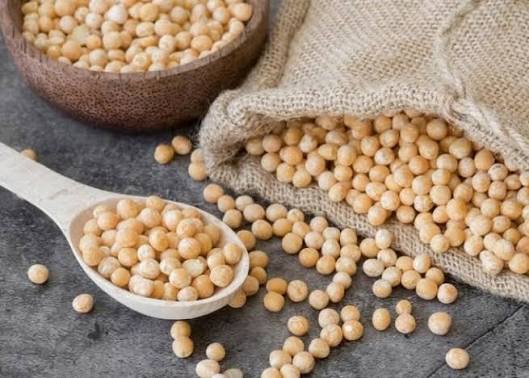
Ukraine’s contribution to the European protein balance is already substantial and continues to grow. Currently, as acknowledged in the Protein Action Plan, Ukraine produces 13.5 million tonnes of plant-based protein, including an estimated 5 million metric tons of soybeans in 2025/2026 MY, with 40% of this volume destined for export. Notably, despite the severe disruptions caused by Russia’s war of aggression, our agricultural sector demonstrated remarkable resilience by doubling its soya bean production capacity in 2024-2025 compared to 2021-2022. The Commission’s own analysis confirms that Ukraine’s integration into the EU could dramatically reduce the Union’s protein trade deficit from 13.9 million tonnes to just 4.7 million tonnes, raising EU self-sufficiency from 76% to 86%.
However, unlocking this full potential is contingent upon ensuring the EU market remains attractive and frictionless to Ukrainian suppliers of plant proteins, in particular soya growers. As a candidate country, Ukraine is firmly committed to aligning with the EU acquis on plant health and sustainability standards, which is reflected, inter alia, in Ukraine’s low risk status under the EU Deforestation Regulation (EUDR) as applicable to soy.
Crucially, we urge the EU to take full account of the harsh agricultural realities facing Ukrainian farmers. The ongoing Russian aggression has caused massive supply chain disruptions and inflated the prices of fertilizers, pesticides, and other critical inputs, directly impacting the gross value chain of Ukrainian growers. While we support the EU’s goal of “aligning production standards,” we caution that unchecked insistence on immediate, absolute alignment between Ukrainian and EU soya growers – without considering the economic impact of such alignment in wartime conditions – risks creating a trade barrier that could limit the availability of soya supply to the EU precisely when it is most needed for the EU livestock sector and food security.
Furthermore, we urge the EU co-legislators to recognize Ukrainian soya as an essentially European, low iLUC-risk feedstock to be sourced for sustainably produced bio-fuels in any current or incoming reviews of the EU legislation focused on phasing down high-risk iLUC crops.
Finally, we welcome the EU’s intention to explore the use of the Global Gateway, the Ukraine Facility, and other financial tools to enhance our integration into EU plant protein supply chains. Strategic investment in infrastructure, storage, and processing capacity is essential to link Ukrainian supply with European demand, creating a more resilient, territorial, and sustainable protein system for the entire continent.