In 2025, Ukraine imported 30.8 thousand tons of pork, which is 15 times more than in 2024, but 25% less than in 2021
Category:
 UCAB Survey (EN)
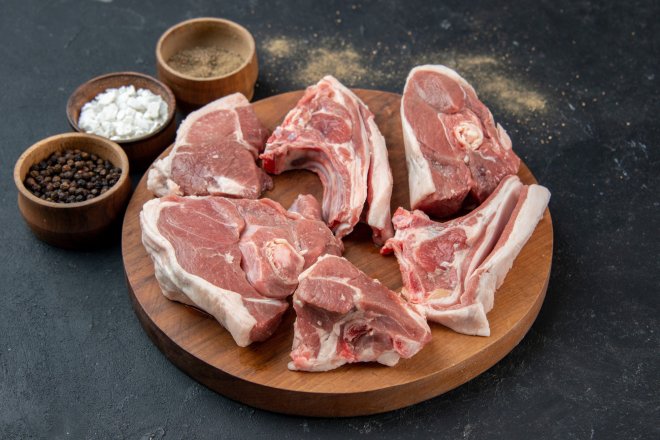
The pork industry in Ukraine continues to function under difficult conditions influenced by military risks. By the end of 2025, total pork production amounted to 606 thousand tons , which is 10% less than in 2024 and 11% below the average for the last 5 years. Despite the overall decrease in production, the domestic market compensates for the deficit through imports, while simultaneously continuing exports to promising markets.
Key insights regarding this industry:
- Herd reduction: In 2025, the pig population in Ukraine is estimated at 4.5 million heads , which is 12% less compared to 2024 and 18% below the 5-year average. Most animals are kept at industrial enterprises – 64% (2.9 million heads), while households account for 36% (1.6 million heads). The reduction at the beginning of the year was largely due to the escalation of hostilities in eastern Ukraine , which forced many enterprises to close and affected the total number of livestock.
- The growing role of imports: In 2025, import volumes reached 30.8 thousand tons , which is 15 times higher than in 2024, although it is still 25% lower than in 2021. The main reasons for this growth were the reduction in the domestic herd and a shortage of live animals , which led to price increases in the Ukrainian market. Simultaneously, the drop in pork prices abroad during the summer period made imports more attractive and stimulated an increase in supplies to Ukraine. Overall, domestic pork consumption needs in 2025 amounted to 648 thousand tons.
- Export trends and key markets: Pork exports remain at a relatively low level – 2.2 thousand tons in 2025 , which is 26% less than in 2024. Most Ukrainian pork exports are directed to Middle Eastern countries (48.1%) and Asia (23.6%) , with less going to European countries outside the EU – 10.8% , Africa – 9.1% , and Southeast Asia – 8.1%. Ukrainian pork is focused on markets with high growth potential, particularly in regions with stable demand and well-developed infrastructure.
Conclusion: The pork industry overall is operating under challenging conditions and requires stabilization for recovery. In 2025, rising production costs as well as herd reductions led to a raw material deficit and high prices in the domestic market. This led to a logical increase in the share of price-competitive imports to stabilize the Ukrainian market.