Alex Lissitsa: “Ukraine can help the EU move from reacting to global food crises to finding solutions to them”
Category:
 News
News
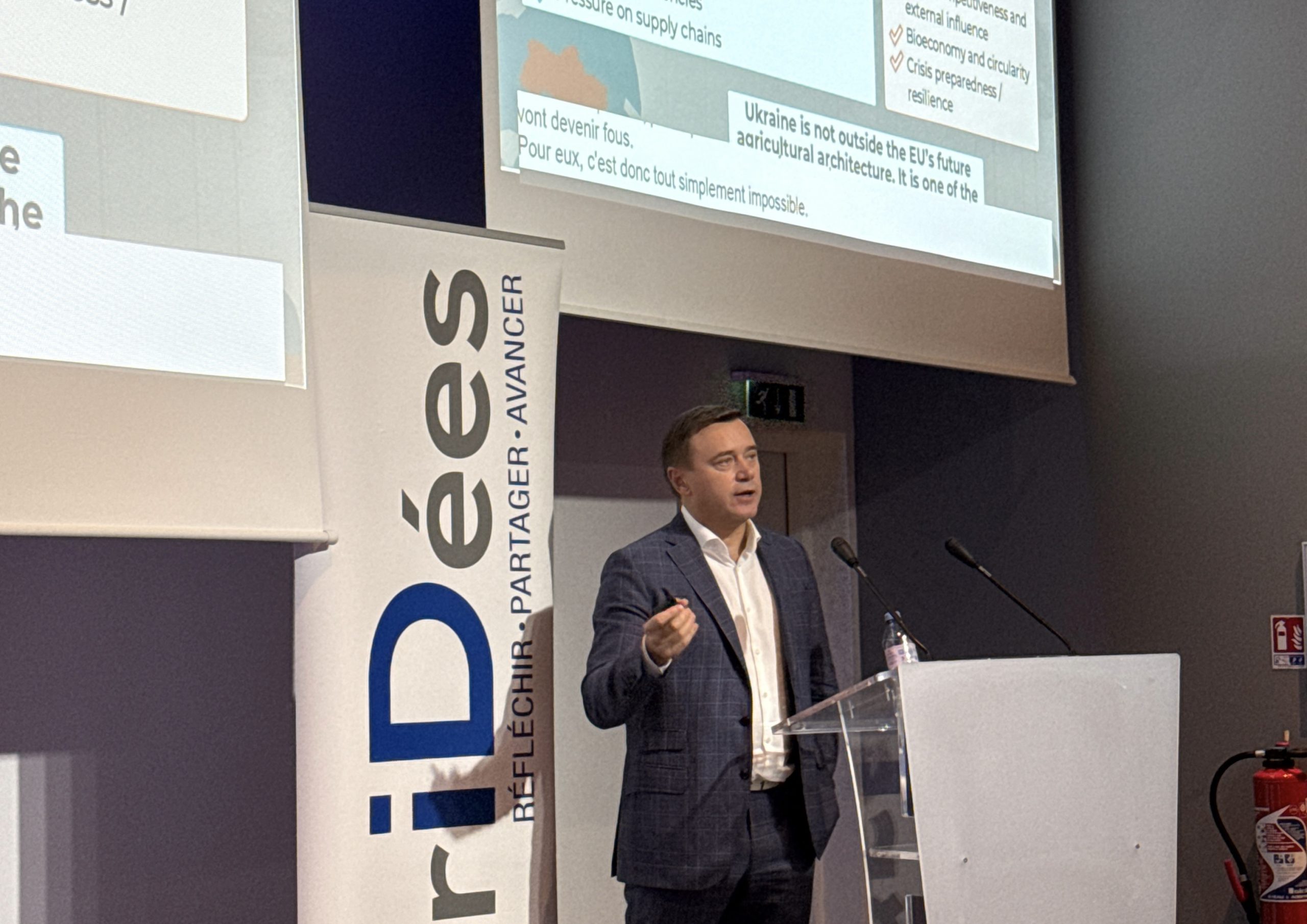
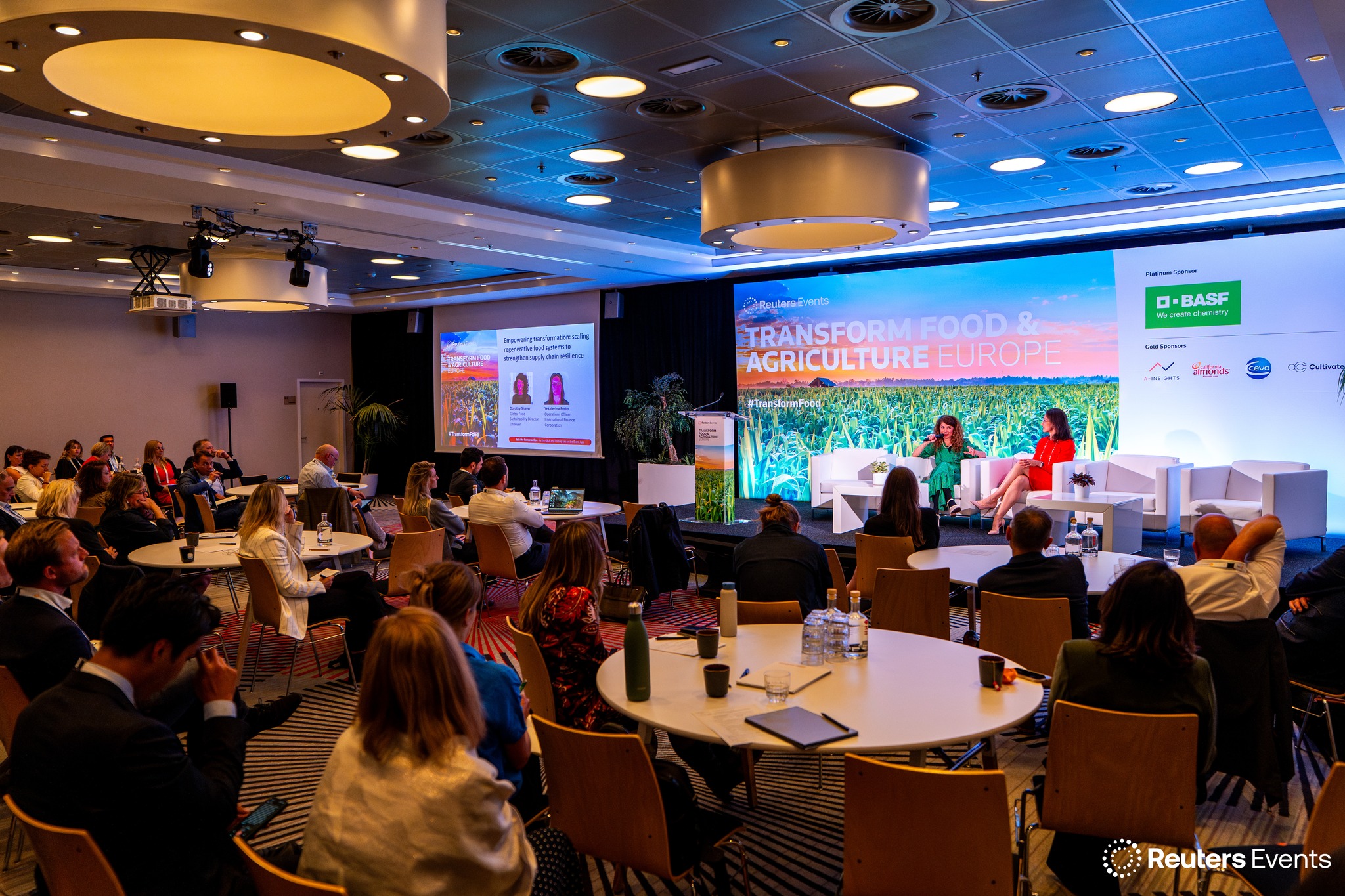
“Ukraine can help the EU move from reacting to global food crises to finding solutions to them,” emphasized UCAB President Alex Lissitsa during his presentation on “Proposals from Ukrainian Agricultural and Agri-Food Professional Organizations to Strengthen European Agricultural Policy” at the conference “European Union–Ukraine: Evolution in Agricultural Negotiations,” organized by the Agridées think tank.
Today, Ukrainian agriculture is the backbone of the national economy. Despite losing 5 million hectares of agricultural land and 28 million tonnes of potential production due to the war, Ukraine continues to produce around 80 million tonnes of grain, remaining a key player in the global market.
At the same time, these results are being achieved under unprecedented pressure on the sector, as Ukrainian farmers continue to operate amid daily enemy attacks. Limited access to Black Sea ports forces producers to seek alternative export routes through Danube ports or European rail networks.
The high cost of alternative logistics significantly reduces the profitability of agricultural production. In some cases, transportation costs consume most of the profit, leaving farmers unable to cover even their production costs.
This creates serious risks for future sowing campaigns: farmers are forced to consider reducing cultivated areas and fertilizer application rates, which will inevitably affect future harvest volumes. Without the full operation of Odesa’s ports, the survival of the sector is at risk.
Despite these extremely challenging conditions, Ukraine’s agricultural sector continues to develop and deepen its ties with the European market. This cooperation has long extended beyond trade: European technologies, equipment, and partnerships are integral to Ukrainian agricultural production. Modern agricultural machinery from France, Germany, and Belgium, high-yielding hybrids, and advanced technological solutions have become important drivers of the sector’s success.
For its part, Ukraine supplies agricultural products to the European market, including sunflower oil and soybeans, while importing European value-added goods. Future integration has the potential to strengthen the positions of both Ukraine and the EU.
“Today, Europe is gradually losing its competitive advantages to other major global producers. Synergy with Ukraine’s agricultural sector offers the EU an opportunity to maintain its leadership and remain a strong player in third-country markets. If we fail to combine our potential, European agriculture risks becoming a closed ecosystem, producing exclusively to meet the needs of EU consumers. Only by working together can we withstand global competition,” said Alex Lissitsa.