The European Union views Ukraine as an important Partner in addressing Protein Gap
Category:
 News
News
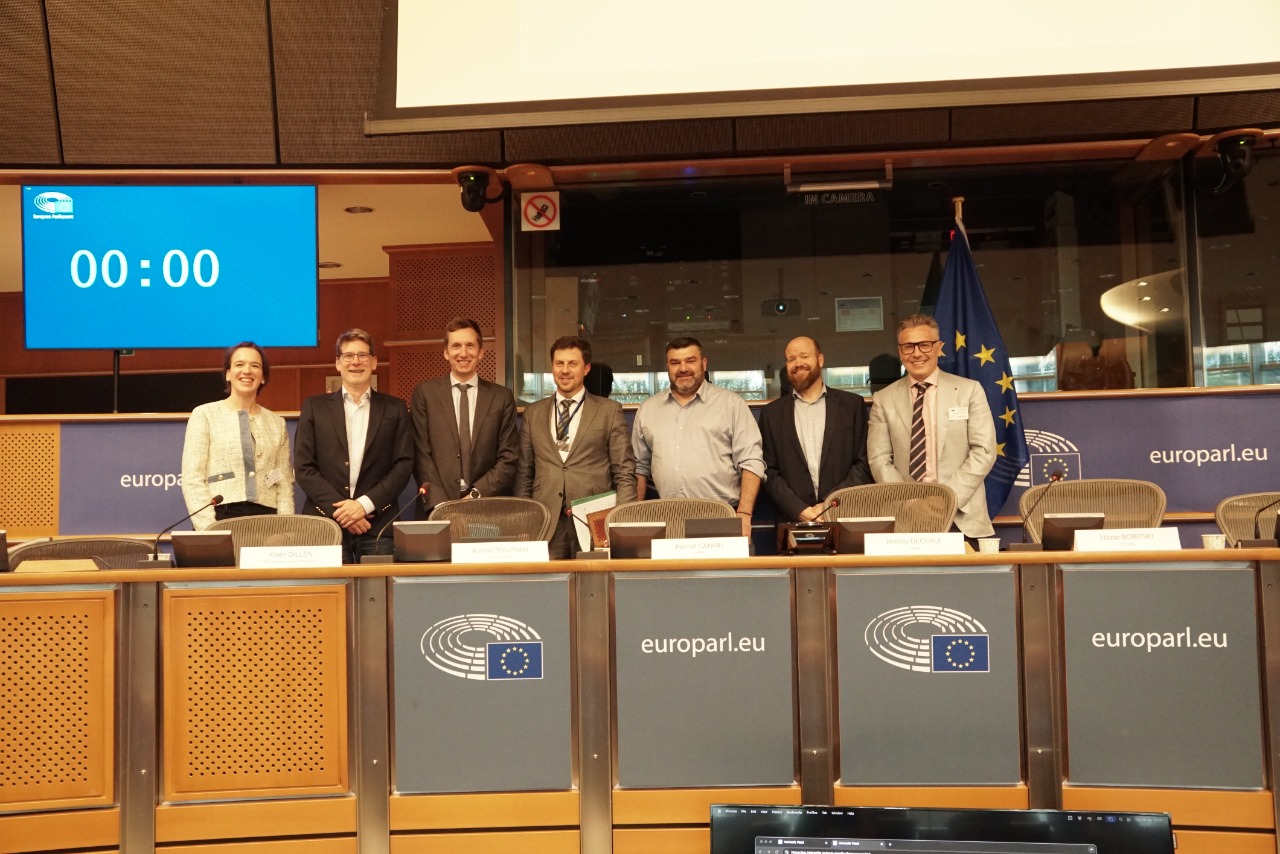
On April 16, 2026, a joint event organised by the Ukrainian Agribusiness Club (UCAB) and Donau Soja Organisation took place at the European Parliament, focusing on the prospects for shaping a European Protein Strategy and the role of Ukraine in strengthening the European Union’s food security.
During the discussion, representatives of European institutions, government bodies, businesses and industry associations addressed key challenges related to the EU’s supply of plant proteins, as well as opportunities to deepen partnership with Ukraine as an important producer of soybeans and other protein crops.
Today, the EU faces a significant plant protein deficit — approximately 3 million tonnes of soybean production compared to 35 million tonnes of consumption. This imbalance undermines the competitiveness and strategic autonomy of the EU agricultural sector, increases dependence on a limited number of external suppliers, and creates risks for food sovereignty.
The European Commission plans to present an EU Protein Action Plan by this summer. This comprehensive package of measures is aimed at establishing a balanced and environmentally sustainable production base for protein sources, covering both plant protein crops and the livestock sector. The plan will also include measures to diversify the sources of protein crop imports for food and feed purposes, as well as initiatives to support research and innovation in protein production. The Commission therefore expects active input from stakeholders, including Ukrainian farmers, who are important European suppliers of protein crops.
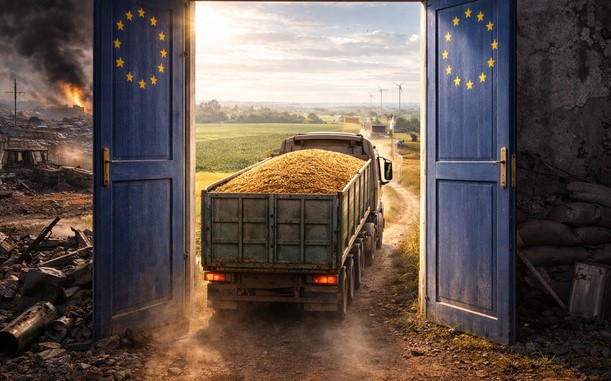
As noted by Deputy Minister of Economy, Environment and Agriculture of Ukraine Taras Vysotskyi, Ukraine is already part of the European agri-food system, and soybeans are one of the clearest examples of its integration into European value chains: “Ukraine produces more than 6 million tonnes of soybeans, a significant share of which is supplied to the EU market. This confirms not only future potential, but also an already functioning and effective model of cooperation. At the same time, around 25% of non-GM soy is produced according to certified standards, including schemes such as the Protein Partnership Programme. This reflects real systemic changes — from simple raw material exports to participation in European value-added chains, where processing, traceability and compliance with standards are becoming increasingly important, rather than volumes alone.”
Aurélie Tournan, Executive Director of Donau Soja, highlighted Ukraine as a reliable partner for strengthening Europe’s food security by diversifying soya supply chains. With approximately 90% of EU imports originating from Brazil, the United States and Argentina, she emphasised that, while Europe must increase its own production, it will continue to depend on imports, making diversification crucial. “ We need to think more regionally,’ she said, highlighting Ukraine’s strong production potential and alignment with EU standards, which ensure a level playing field. Certified soy from Ukraine, produced under EU-equivalent conditions, already represents a significant proportion of the non-GM soy entering the EU. She emphasised that this cooperation is based on practical, market-driven solutions, with certification systems such as Europe Soya supporting stable and transparent value chains. However, a coherent policy framework remains key to scaling up these efforts.
According to Nazar Bobitski, Director of the EU Office of UCAB, as Ukraine’s strategic role in European agri-food supply chains grows, it is important to address regulatory barriers: “Over the past three years, Ukraine–EU agricultural trade relations have clearly demonstrated significant synergy potential, particularly for the EU processing industry. At the same time, excessive climate and sustainability regulations, including EUDR and RED III, may become barriers to unlocking this potential. Ukrainian producers are already investing in compliance, but the complexity of supply chains requires simplification of due diligence procedures. In the medium and long term, the terms of Ukraine’s EU integration, including agricultural policy and pesticide use, will shape the depth and effectiveness of joint protein value chains.”
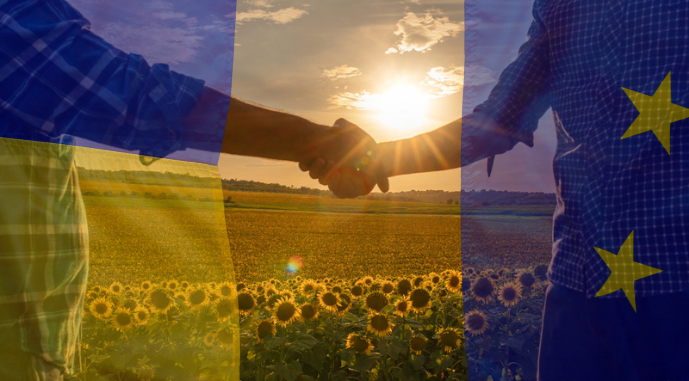
The event at the European Parliament confirmed that the development of an effective European Protein Action Plan requires not only political decisions but also practical cooperation among all market participants. Ukraine is already playing an important role in this process, demonstrating readiness to adapt, implement standards, and develop sustainable value chains.
Further deepening of cooperation between Ukraine and the EU, removal of regulatory barriers, and scaling up already effective solutions will create the conditions for strengthening Europe’s food security, competitiveness, and strategic autonomy.
About Donau Soja
Donau Soja is a non-profit, independent association who supports its partners and members in progressing change to address social, environmental, and economic challenges in soya, legumes and protein production and consumption. This will increase efficiency, fairness and sustainability in European food and feed protein value chains.
Contact:
Iryna Korchahina
Marketing, PR, communication and press
Donau Soja Organisaton
Tel. +380674978826 (WhatsApp)
E-mail: marketing.ua@donausoja.org